From the 1970s to early 2000s, clinical definitions of Attention Deficit Hyperactivity Disorder evolved, and there were criticisms that too many children were being diagnosed. Debate still continues about the whether “attention deficit” would better be defined as “variable attention” (variable depending on how well the nervous system is regulated and how interesting an activity is). “Hyperactivity” is also hotly debated.
Still, scientific consensus has only strengthened: ADHD is real and measurable. The World Federation of ADHD, a large body of experts continues to refine an International Consensus Statement, that most recently identified 208 scientific findings that describe the “nature, course, outcome causes, and treatments for disorders that are useful for reducing misconceptions and stigma”.
Additionally, a 2020 review found that genetics may account for around 80% of ADHD cases, and another 2020 review outlined environmental factors that have been associated with developing ADHD.
Current scientific research is merely laying a foundation to start understanding ADHD, causes, and treatments. Much more research is needed to characterize the ADHD experience and strategies by which individuals and societies might take advantage of all that people with ADHD have to offer the world.
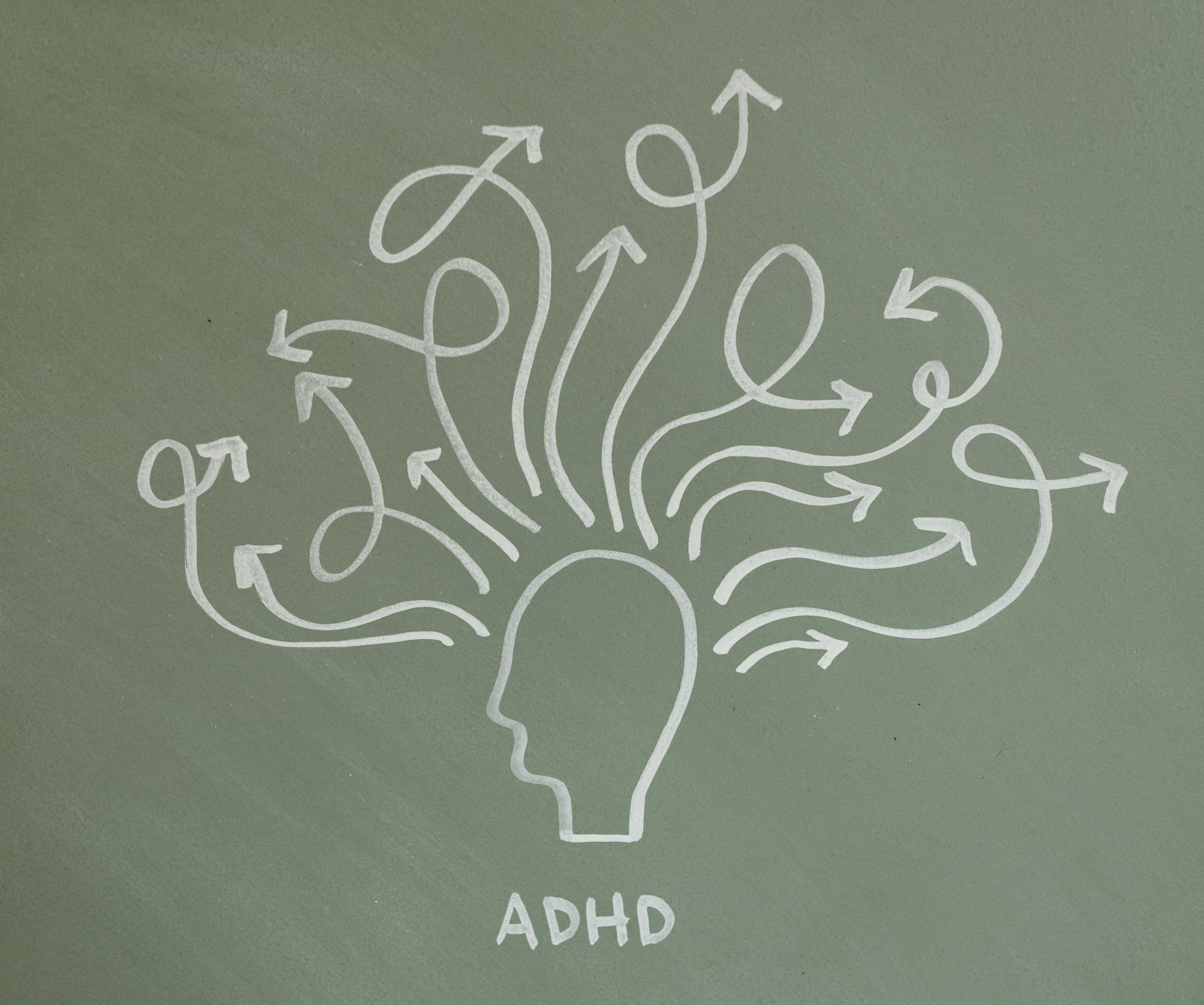
 Brain Tree